
After an accident, speaking with a personal injury lawyer may become important sooner than many people realize. Medical treatment, insurance calls, missed work, and questions about fault can quickly make an already difficult situation more complicated.
Not every accident automatically requires legal representation. However, when injuries are serious, responsibility is disputed, or an insurance company challenges the claim, early legal guidance can help an injured person understand their options and avoid decisions that could affect the case.
When Should You Contact a Personal Injury Lawyer?
The right time to seek legal guidance depends on the circumstances. In general, it may be appropriate to contact an attorney when the accident involves significant injuries, uncertainty about liability, financial losses, or difficulties with an insurance company.
Your Injuries Are Serious or Continue to Get Worse
Some injuries are immediately apparent, while others become more noticeable over time. Head injuries, back and neck injuries, fractures, nerve damage, and other serious conditions may require ongoing treatment or affect a person’s ability to work and perform daily activities.
When an injury could create long-term medical or financial consequences, a personal injury lawyer can review the available information and help evaluate the potential scope of the claim. This may include current medical expenses, expected future treatment, lost wages, reduced earning capacity, and the effect of the injury on everyday life.
Seeking medical attention promptly is important for both personal health and documentation. Gaps in treatment can make it more difficult to show how an accident affected the injured person.
Responsibility for the Accident Is Disputed
Liability is not always straightforward. Drivers, property owners, businesses, contractors, employers, and insurance carriers may disagree about who caused an accident or how responsibility should be divided.
New Jersey applies a modified comparative negligence rule. Under the state’s comparative negligence statute, an injured person’s compensation may be reduced according to their percentage of fault. Recovery may also be barred when that person’s negligence is greater than the negligence attributed to the party or parties from whom compensation is sought.
Because the allocation of fault can substantially affect a claim, photographs, surveillance footage, witness statements, incident reports, and other evidence should be identified and preserved as early as possible.
An Insurance Company Requests a Recorded Statement
Insurance adjusters often request statements, medical records, authorizations, and other information while investigating an accident. Although communicating with an insurer is a normal part of the claims process, injured individuals should understand what is being requested and how the information may be used.
A statement made before the full extent of an injury is known may not accurately reflect the person’s condition. Broad medical authorizations may also provide access to records extending beyond the treatment connected to the accident.
A personal injury lawyer can handle communications with insurers, review document requests, and help ensure that the claim is presented accurately.
The Settlement Offer Does Not Reflect Your Losses
An early settlement may appear helpful when medical bills and other expenses are accumulating. However, accepting a settlement generally ends the claim, even if additional treatment or complications arise later.
Before evaluating an offer, it is important to understand:
- The complete medical diagnosis and expected recovery
- Whether future treatment or rehabilitation may be necessary
- The amount of income already lost
- Whether the injury may affect future employment
- What insurance coverage and compensation may be available
- Whether additional parties could share responsibility
A serious injury claim should be evaluated based on its full impact, not only the expenses that have already arrived.
Multiple Parties May Be Responsible
Some accidents involve more than one potentially responsible party. A commercial vehicle collision, construction accident, unsafe property condition, defective product, or workplace-related incident may involve several individuals, companies, contractors, or insurance policies.
Identifying all potentially responsible parties can be critical. If one party has limited coverage or disputes involvement, another party may still bear legal responsibility depending on the facts.
How Can a Personal Injury Lawyer Help Protect Your Claim?
Early involvement allows an attorney to investigate the accident while evidence is still available and memories remain relatively fresh.
Depending on the circumstances, a personal injury lawyer may:
- Review police reports, incident reports, photographs, and videos
- Interview witnesses and preserve their contact information
- Obtain available surveillance or vehicle data
- Review medical records and treatment documentation
- Identify potentially responsible parties and insurance policies
- Communicate with insurance companies
- Evaluate financial and nonfinancial losses
- Monitor filing deadlines and procedural requirements
- Negotiate a potential resolution or prepare the case for litigation
Legal representation does not guarantee a particular result. Its purpose is to help the injured person understand the process, assess available evidence, and make informed decisions based on the circumstances.
Why Timing Matters in a New Jersey Personal Injury Claim
New Jersey generally provides a two-year filing period for personal injury actions under N.J.S.A. 2A:14-2. However, the applicable deadline can depend on the type of accident, the parties involved, the injured person’s age, and other case-specific factors.
Certain claims may be subject to significantly shorter notice requirements, particularly when a state or local public entity or public employee is involved. Waiting until the general deadline is approaching can leave insufficient time to investigate the accident, identify the correct defendants, obtain records, and satisfy other legal requirements.
Evidence can also disappear long before a formal deadline expires. Surveillance footage may be overwritten, vehicles may be repaired, accident scenes may change, and witnesses may become difficult to locate. Contacting an attorney promptly can help preserve information that may later become important.
For motor vehicle accidents, the current New Jersey crash-report instructions also describe when drivers must submit a written report if law enforcement did not file one.
Steps to Take After an Accident in New Jersey
Actions taken immediately after an accident can affect both personal safety and the availability of evidence.
Seek Appropriate Medical Care
Medical care should be based on the person’s symptoms and condition. Even when an injury initially appears minor, worsening pain, dizziness, limited movement, numbness, or other symptoms may require additional evaluation.
Report the Accident
Depending on the circumstances, report the accident to law enforcement, a property owner, an employer, or another responsible authority. Request a copy of any available report and keep it with the other case-related documents.
Preserve Available Evidence
When it is safe to do so, collect photographs or video of the scene, visible injuries, property damage, hazardous conditions, and other relevant details. Keep damaged personal property and avoid altering original digital files.
Collect Witness Information
Names, telephone numbers, and email addresses can help an attorney locate witnesses later. Do not assume that the police report or incident report will include everyone who observed what happened.
Track Expenses and Missed Work
Keep medical bills, prescription receipts, transportation expenses, pay records, employer communications, and other documents showing the financial effects of the injury.
Use Caution When Discussing the Accident
Public social media posts, recorded statements, and informal comments may later be reviewed in connection with the claim. Avoid speculation about fault or the seriousness of the injury while the facts and medical condition are still being evaluated.
Choosing a Personal Injury Lawyer in New Jersey
A consultation provides an opportunity to learn about the attorney’s experience and approach. Useful questions may include:
- Has the attorney handled claims involving similar injuries or accidents?
- Who will manage the case and communicate with the client?
- How will evidence and potential sources of compensation be investigated?
- What challenges does the attorney see based on the available information?
- How are legal fees and case-related costs handled?
- What should the injured person expect during the claims process?
The attorney should explain the process clearly, discuss potential concerns honestly, and avoid guaranteeing a particular settlement or outcome.
Speak With Faugno Weis Duarte Raso, LLC About Your Accident
If you were injured because of another party’s actions, you do not have to make important decisions about the claim without understanding your legal options.
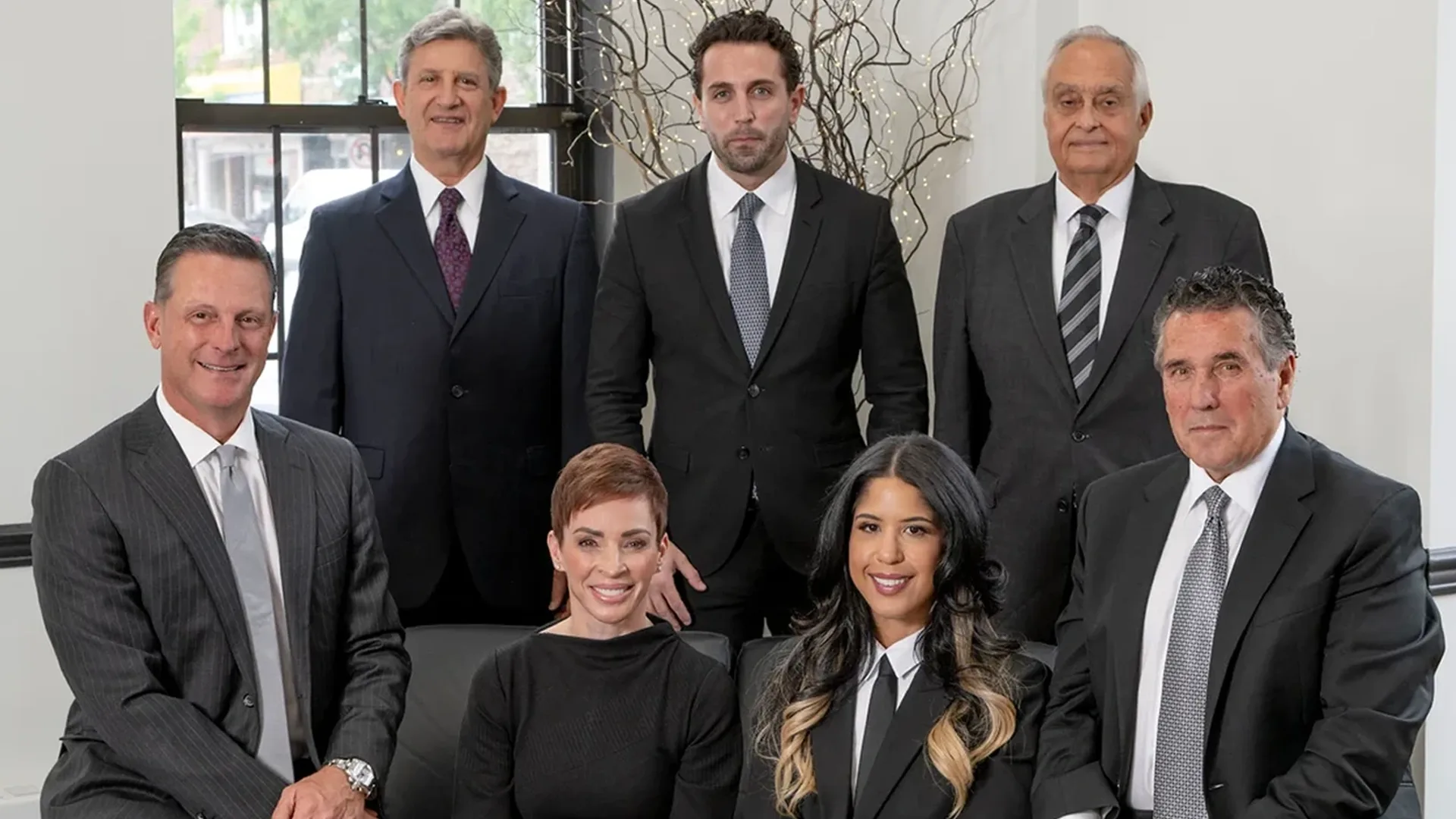
Faugno Weis Duarte Raso, LLC assists clients with personal injury and catastrophic injury matters in Hackensack and throughout New Jersey. The firm can review the circumstances, explain the legal process, and help determine what steps may be appropriate.